

Historic Copper Roofing Restoration and Replacement
Copper has shaped landmark rooflines for centuries. Its ability to hold up against harsh weather conditions while still being malleable enough to be formed into intricate designs makes it a premier choice as a roofing material.
Huber & Associates works with owners, architects, and preservation teams to carefully plan out the work and fabricate copper details that fit the structure without compromising the building’s historic intent.
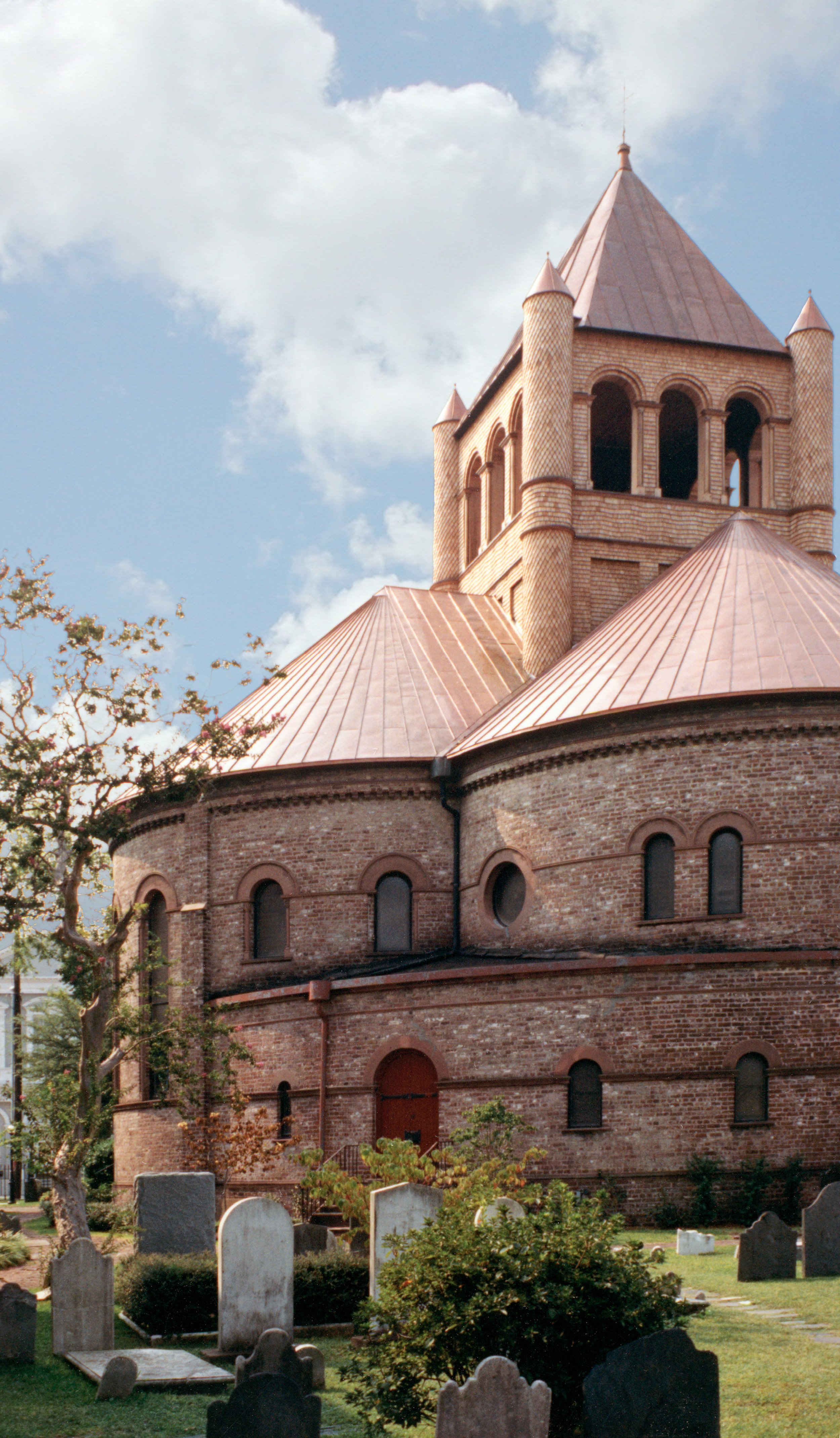
Why Copper Roofing Is Common on Historic Buildings
Copper became a staple of historic architecture because of its properties to stand the test of time while still allowing ambitious design. Many historic rooflines rely on curves, ridges, domes, and steep transitions; places where a material has to be shaped precisely and still stay stable over time.
It was also specified because it lasts. A well-built aged copper metal roof can remain in service for up to 80–100+ years, and copper stands up well to wet conditions and freeze‑thaw cycles that wear down other materials. Just as important, it can be formed into tight radii, crisp edges, and ornamental profiles without losing integrity, and properly detailed seams and transitions allow the roof to move seasonally while staying watertight.
That combination made copper a natural choice for churches and cathedrals, civic buildings and courthouses, estates and legacy residences, and many landmark or institutional properties where durability and appearance both mattered.
Understanding the Natural Patina of Copper Roofing
If on a historic roof, the copper may exhibit its natural patina. A patinated copper roof develops over time through normal exposure to air and moisture. The surface changes in recognizable phases, creating the look associated with many iconic historic roof profiles.
How Copper Changes Over Time
Stage 1: Bright copper — new, reflective, and warm-toned
Stage 2: Darkening — richer browns as the surface begins to oxidize
Stage 3: Blue‑green patina — the mature finish seen on many historic buildings
Why Patina Matters
The patina layer helps protect the underlying copper and slows further surface change.
When planning preservation work, you want repairs that respect the aging process so they don't stand out as obvious patchwork across the roof field.

Awards + Certifications

View all Awards + Certifications
Historic Copper Roof Restoration
Historic copper restoration isn’t routine roof work. Aged copper roofing may show thinning, leaks around any seams, movement at transitions, or problems introduced by incompatible past repairs. Restoration starts with giving you a clear picture of what is original, what has been altered, and what needs correction, all without changing the roof’s historic appearance.
Typical Restoration Scopes for a Historic Copper Roof
Here's what restoration typically involves:
Repairing damaged panels while protecting surrounding areas
Rebuilding failed seams and correcting movement-related separation
Restoring flashing at chimneys, parapets, and penetrations
Correcting drainage and transition details that stress the system
Replacing only what cannot be preserved to maintain historic authenticity
Handled carelessly, restoration can further damage a copper roof. A historically significant building deserves a plan that protects its performance and historic character simultaneously.

Custom Copper Fabrication for Historic Roofing
On historic buildings, the copper work is rarely standard. Roofs often include domes, turrets, spires, ornamental ridges, finials, and tricky perimeter edges that have to be made to suit the exact shape of the structure. Those pieces aren’t just decorative; they influence how the roof sheds water, handles wind, and looks from street level.
Huber & Associates provides custom fabrication for preservation work, including ornamental components and aged copper roof shingles when the original design calls for them.
Read our case study here on the custom fabrication process to replace a copper ridge at the Biltmore Estate in Asheville, North Carolina. About 980 individual pieces we custom fabricated and formed to complete the project! https://www.huberroofing.com/biltmore-restoration
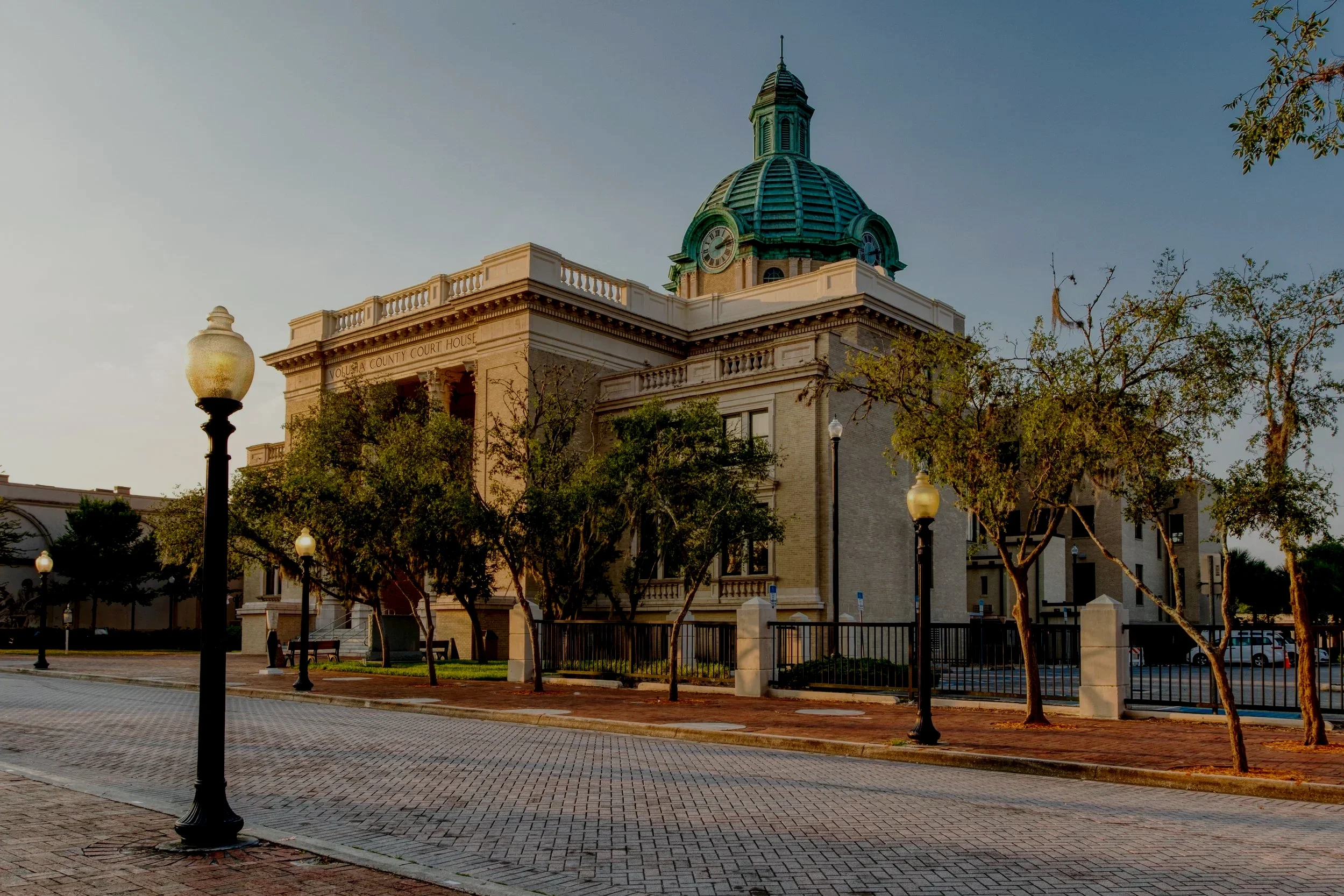
VOLUSIA COUNTY COURTHOUSE, DELAND, FLORIDA
Matching Aged Copper Roofing for Historic Projects
Visual continuity is one of the hardest parts of preservation work. When necessary, pre-patinated copper can be used for replacement to reduce contrast, although an exact color match may not be achievable.
Working With a Specialist
Preservation demands specialists who understand traditional methods, detailing, and the behavior of long‑aged systems.
Huber & Associates is an internationally recognized roofing firm with experience in historic preservation and complex architectural copper work, including projects across the United States, Japan, and the Caribbean. If your project involves a historic copper roof, you benefit from expertise built for high-visibility, high-stakes historic structures.
Press





Consultation for Historic Copper Roofing Projects
If you’re planning to work on copper roofing, start with an expert review before minor problems become major failures. Huber & Associates provides historic roof assessments, restoration planning, and custom fabrication support tailored to preservation goals.
Request a consultation to evaluate your historic copper roof, confirm restoration options, and define a scope that protects your building’s heritage without compromising performance.
Frequently Asked Questions
-
Copper develops a natural patina as it reacts with the environment, creating the distinctive green color seen on many historic buildings.
-
A properly installed copper roof can last over 100 years, making it one of the most durable roofing materials used in historic architecture.
-
In many cases, damaged sections of aged copper roofing can be restored or replaced while preserving the original roof system.
-
Yes. Copper has been widely used on historic buildings for centuries and is commonly specified in restoration projects.